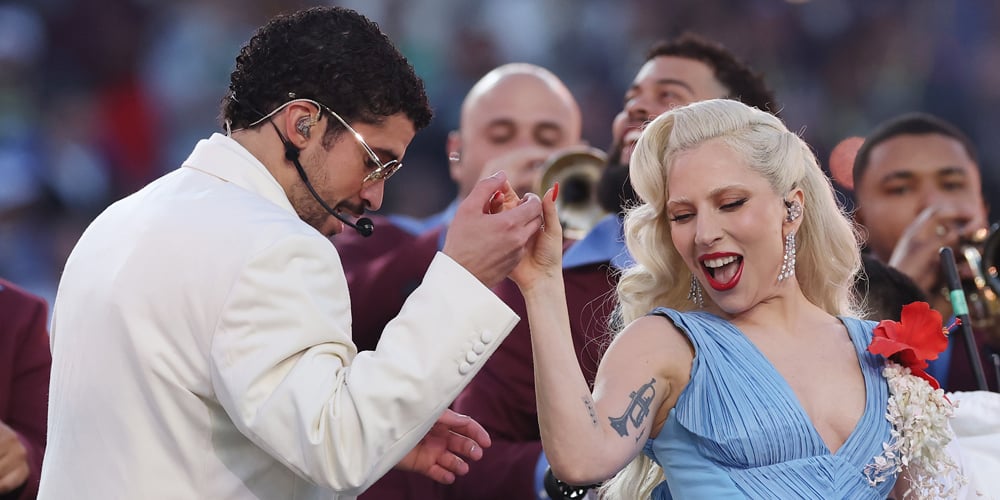
Bad Bunny, the Puerto Rican superstar known for his genre-bending music and undeniable charisma, has once again captivated the world – not just with chart-topping hits, but with a deeply emotional track that has sent shockwaves through social media. While many fans were recently buzzing and searching for the Translation Of Bad Bunny Halftime Show Lyrics following his iconic performance, another recent phenomenon has truly captured hearts and inspired tears: his powerful song 'DtMF'. This track, the title song from his Grammy Award-winning album, has become an anthem for nostalgia, lost love, and the profound importance of cherishing every moment, making it clear why fans are crying as its meaning resonates globally.
Far from just another party anthem, 'DtMF' (an acronym for 'DeBÍ TiRAR MáS FOToS') delves into themes of regret, longing, and the bittersweet ache of looking back. It's a testament to Bad Bunny's evolving artistry, showcasing his ability to tap into universal human emotions with raw honesty. Let's unpack the layers of 'DtMF', explore its emotional depth, and understand why this song has struck such a powerful chord with listeners worldwide.
The Emotional Core of 'DtMF': DeBÍ TiRAR MáS FOToS
The title itself, 'DeBÍ TiRAR MáS FOToS', which translates to 'I should have taken more photos', immediately sets a melancholic tone. It’s a simple phrase, yet it encapsulates a universal sentiment of wishing to preserve moments, to freeze time, and to hold onto memories that inevitably fade or become tinged with longing. In 'DtMF', Bad Bunny, whose real name is Benito Antonio Martínez Ocasio, strips away the bravado often associated with his persona to reveal a vulnerable artist reflecting on his past.
The song is a poignant journey through introspection, primarily focusing on a past relationship and an ex he clearly misses. Benito sings about wanting to "go back to the last time I looked into your eyes / And to tell you the things I didn't get to tell you." This sentiment of unspoken words and missed opportunities is incredibly relatable. Who hasn't wished for a second chance to express love, regret, or simply to savor a moment more deeply? His narrative isn't just about a lost lover; it's about the universal human tendency to take present moments for granted, only to realize their true value in hindsight.
What makes 'DtMF' stand out in Bad Bunny's acclaimed discography, which includes smash hits like 'Mayores' and 'DÁKITI', is its raw, unadorned emotional honesty. While his critically-acclaimed fourth album Un Verano Sin Ti became the most streamed album of all time, 'DtMF' from his latest Grammy-winning album DeBÍ TiRAR MáS FOToS offers a different kind of record-breaking: one measured in tears and shared memories. It demonstrates Bad Bunny's impressive versatility, proving he can dominate the charts not just with infectious beats, but with profound lyrical content that resonates on a deeply personal level. For a complete deep dive into the specific lines that are touching so many, you can read our detailed breakdown of Bad Bunny's "DtMF" Lyrics Translated: The Emotional Meaning Behind the Viral Song.
Beyond Romance: A Universal Message of Connection and Loss
While an ex-lover forms the initial catalyst for the song's introspection, 'DtMF' quickly expands its emotional scope to embrace broader themes of connection, friendship, and family. Bad Bunny beautifully articulates a desire to hold onto the people who are still present in his life, singing, "I should've taken more pictures when I had you / I should've given you more kisses and hugs whenever I could / Ayy, I hope my people never move away / And if I get drunk today, I hope they help me out." This shift from personal romantic regret to a collective appreciation for his "people" transforms the song into a universal anthem for cherishing relationships of all kinds. The echoing chorus of voices amplifying his words creates a powerful sense of community and shared sentiment.
Why Fans Are Crying: The TikTok Phenomenon
The profound emotional resonance of 'DtMF' quickly transcended the music charts and exploded onto TikTok, becoming a viral sensation. Fans began creating "heartbreaking edits" – compiling photos and videos of lost loved ones, pets, or significant past moments set to the song's audio. These poignant tributes, often accompanied by heartfelt captions, transformed 'DtMF' into a shared experience of grief, nostalgia, and appreciation for those who are no longer physically present.
Bad Bunny himself was visibly moved by these fan reactions, reportedly seen crying as he watched some of the emotional TikTok compilations. This feedback loop, where the artist's vulnerability inspires fan vulnerability, which in turn moves the artist, speaks volumes about the song's authentic impact. It highlights the power of music to tap into the collective unconscious, giving voice to emotions many struggle to articulate.
The song serves as a powerful reminder: cherish the present, capture the memories, and express your love openly. In a fast-paced world, it’s easy to get caught up in the future or dwell on the past. 'DtMF' is a musical pause button, urging us to appreciate the "now" before it becomes another "should have."
Bad Bunny's Evolution: From Chart Dominator to Cultural Icon
Bad Bunny’s journey to superstardom is well-documented. From his early days in Puerto Rico to becoming a global phenomenon, he has consistently pushed boundaries, defied genres, and broken records. His critically acclaimed albums and countless hits have cemented his status as one of the most influential artists of his generation. The success of 'DtMF' and its album, DeBÍ TiRAR MáS FOToS, further underscores his artistic growth, showcasing a deeper, more introspective side that complements his vibrant, energetic persona.
This emotional depth was also evident in another recent career highlight: his electrifying Super Bowl Halftime performance. For those also seeking the Translation Of Bad Bunny Halftime Show Lyrics, his powerful message of self-belief and unity across the Americas resonated deeply, demonstrating another facet of his impactful artistry. During his performance, he spoke entirely in Spanish, delivering a profound message of self-worth: "My name is Benito Antonio Martínez Ocasio, and if I'm here today at Super Bowl 60, it's because I never, ever stopped believing in myself. You should also believe in yourself. You're worth more than you think. Trust me." This message of empowerment and unity, concluding with "The only thing more powerful than hate is love. God bless America," (listing Latin American countries) showcased his role as a cultural unifier. While distinct in message from 'DtMF', both moments reveal an artist committed to meaningful communication, whether through introspection or inspiration. To fully understand the profound declarations made during his performance, read our article on Bad Bunny's Halftime Speech: Full English Translation & Self-Belief Message.
The juxtaposition of these two significant events – the raw vulnerability of 'DtMF' and the grand, unifying statement of his Halftime Show – paints a picture of an artist who is not only a hitmaker but a cultural force capable of inspiring tears, self-belief, and unity. This versatility solidifies his position as a true icon, whose work transcends mere entertainment to touch on fundamental human experiences.
Nostalgia in the Digital Age: Why 'DtMF' Resonates Now
The digital age, characterized by constant connectivity and an abundance of digital memories, paradoxically amplifies the message of 'DtMF'. We live in a world where taking photos and videos is easier than ever, yet the sentiment of "I should have taken more photos" remains profoundly relevant. The sheer volume of digital content can sometimes make individual moments feel less significant, or conversely, make us acutely aware of the gaps in our recorded history.
TikTok, with its short-form video format and emphasis on personal expression, provided the perfect platform for 'DtMF' to achieve viral status. The song's contemplative tone and lyrical focus on visual memories (photos) naturally lend themselves to visual storytelling. Users could easily pair the audio with their own personal photo and video archives, transforming a deeply personal song into a communal act of remembrance and shared emotional processing. This collective act of digital mourning and celebration underscores a fundamental human need to connect over shared experiences of love, loss, and the passage of time.
Practical Tip: Take inspiration from 'DtMF' and actively create and preserve your memories. Whether it's through digital albums, physical scrapbooks, or simply being more present in conversations, make a conscious effort to capture the essence of your "people" and the moments you share. These small acts can become invaluable treasures in the years to come.
Conclusion
Bad Bunny's 'DtMF' is more than just a song; it's an emotional journey that speaks to the deepest parts of the human experience. Through its honest reflection on nostalgia, lost love, and the profound importance of cherishing present connections, Benito has created a timeless piece of music that continues to resonate with fans globally. Its viral success on platforms like TikTok and the heartfelt reactions from listeners, including Bad Bunny himself, are a testament to the power of vulnerable storytelling and the universal longing to hold onto what matters most. As Bad Bunny continues to evolve as an artist, 'DtMF' stands as a powerful reminder of his ability to move hearts, inspire reflection, and solidify his legacy as a true cultural icon.