Bad Bunny's "DtMF" Lyrics Translated: The Emotional Meaning Behind the Viral Song
Bad Bunny, the Puerto Rican phenomenon known as Benito Antonio Martínez Ocasio, has consistently redefined the global music landscape. From chart-topping reggaeton anthems to deeply introspective tracks, his artistic range is unparalleled. While fans eagerly anticipate every new release, few songs have struck as profound an emotional chord as "DtMF" from his Grammy Award-winning album, *DeBÍ TiRAR MáS FOToS*. This track hasn't just topped charts; it's sparked a viral TikTok trend, making millions reflect on their most cherished memories and the pain of lost time. But what exactly are these poignant lyrics about, and why are they resonating so deeply with a global audience?
Decoding "DtMF": The Heart of Bad Bunny's Latest Hit
"DtMF" stands for *DeBÍ TiRAR MáS FOToS*, which translates directly to **"I should have taken more photos."** This simple yet profound title encapsulates the song's central theme: a nostalgic yearning for the past, specifically for moments and people that have slipped away. Unlike many of Bad Bunny's high-energy hits, "DtMF" offers a rare glimpse into his more vulnerable side, showcasing his ability to craft music that speaks directly to the human experience of regret, love, and longing.
The song serves as Bad Bunny's poignant recap of his 2022, a year filled with monumental success, but also, it seems, personal reflections. The lyrics reveal a deep sense of missing an ex-partner, articulating a universal sentiment many experience after a relationship ends: wanting to rewind time to say the unsaid, to relive the warmth of a glance. He sings, "
But wanting to go back to the last time I looked into your eyes / And to tell you the things I didn't get to tell you." This isn't just about a lost love; it's about the universal human desire to mend past omissions and reclaim precious moments.
Beyond romantic nostalgia, "DtMF" also celebrates the unwavering support of those who remain in his life. Bad Bunny expresses gratitude for his current circle, singing, "
I should've taken more pictures when I had you / I should've given you more kisses and hugs whenever I could / Ayy, I hope my people never move away / And if I get drunk today, I hope they help me out." This duality—reflecting on what's lost while cherishing what remains—is a key factor in the song's emotional power. It's a reminder to appreciate the present and the people who make life meaningful, before those moments too become just memories.
The track's viral success on TikTok underscores its profound impact. Fans have created heartbreaking edits, pairing photos of lost loved ones with the song, often leading to tears – including Bad Bunny himself, who was visibly moved watching these tributes. This phenomenon demonstrates how "DtMF" transcends language barriers, tapping into a collective wellspring of shared human emotion. For a deeper dive into this phenomenon, explore
Bad Bunny DtMF Meaning: Nostalgia, Exes, and Why Fans Are Crying.
A Journey Through Reflection: Analyzing "DtMF" Lyric by Lyric
The lyrical structure of "DtMF" masterfully weaves together themes of personal regret and profound appreciation. The recurring motif of "I should have taken more photos" is a metaphor for the desire to freeze time, to fully savor and document moments that, in hindsight, were more significant than realized. This resonates with anyone who has ever looked back at old pictures and wished they had captured more, felt more, or expressed more.
Bad Bunny's introspection is palpable. He doesn't just express regret; he identifies specific actions he wishes he'd taken: "
more kisses and hugs whenever I could." This detail makes the sentiment incredibly relatable, moving it beyond abstract longing to concrete, human gestures of affection. The song subtly encourages listeners to be more present, to capture memories not just with a camera, but with their hearts and actions.
The chorus, echoed by a "chorus of people," amplifies the communal aspect of his emotion. It transforms his personal yearning into a universal anthem, suggesting that these feelings of nostalgia and gratitude are shared experiences. This collective voice strengthens the song's emotional weight, making listeners feel less alone in their reflections.
Even in its vulnerability, "DtMF" retains a touch of Bad Bunny's signature lightheartedness. The song concludes with him playfully yet earnestly screaming, "
I hope my people never move away / And that..." This playful coda offers a glimmer of hope and a reaffirmation of the importance of community, preventing the song from becoming purely melancholic. It suggests that while past regrets linger, the present and future hold opportunities for connection and joy. This blend of raw emotion with an underlying sense of hope is a hallmark of Bad Bunny's sophisticated songwriting.
Beyond "DtMF": Bad Bunny's Broader Message of Unity and Self-Belief
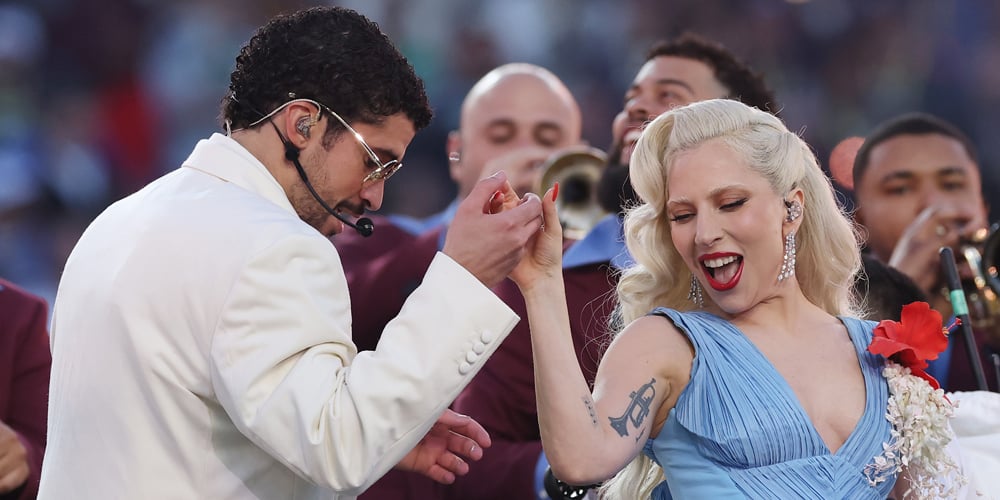
While "DtMF" captures a deeply personal and reflective side of Bad Bunny, his public appearances often carry equally powerful messages, albeit on a grander scale. Fans searching for the **translation of Bad Bunny Halftime Show lyrics** or his general messages would find parallels in the emotional sincerity expressed in "DtMF." His Super Bowl performance was not just a musical spectacle; it was a profound statement of identity, unity, and self-belief.
During his Super Bowl 60 halftime showcase, Bad Bunny, a proud native of Vega Baja, Puerto Rico, delivered a powerful call for unity across "America"—encompassing North, Central, and South America, as well as the Caribbean countries and territories. He famously declared, "
Together, we are America," a message echoed on a football prop that accompanied him.
He concluded his performance with a message of profound significance: "
The only thing more powerful than hate is love." This vital statement, mirrored on a billboard behind him, was followed by "
God bless America," and a listing of Latin American countries, from Cuba to Venezuela. This was notably the only line he delivered in English during the show, emphasizing its universal importance.
Perhaps the most personal and inspiring moment came when Bad Bunny, addressing the camera directly while walking through a field of violin players emerging from sugarcane fields, spoke entirely in Spanish about his journey. He proclaimed:
"
Mi nombre es Benito Antonio Martínez Ocasio, y si hoy estoy aquí en el Super Bowl 60, es porque nunca, nunca dejé de creer en mí. Tú también deberías de creer en ti. Vales más de lo que piensas. Confía en mí."
The powerful English translation of this speech is: "
My name is Benito Antonio Martínez Ocasio, and if I'm here today at Super Bowl 60, it's because I never, ever stopped believing in myself. You should also believe in yourself. You're worth more than you think. Trust me."
This message of self-belief and perseverance directly complements the emotional honesty of "DtMF." While "DtMF" looks inward at personal memories and regrets, his Super Bowl speech projects outward, empowering listeners with the confidence to pursue their own dreams. Both facets reveal an artist who is deeply connected to his emotions and unafraid to share them, whether through nostalgic song or empowering declarations. For the full context of his impactful speech, see
Bad Bunny's Halftime Speech: Full English Translation & Self-Belief Message.
The Cultural Impact: Why Bad Bunny's Emotional Depth Resonates
Bad Bunny's ability to oscillate between the introspective vulnerability of "DtMF" and the empowering, unifying messages of his Super Bowl performance is a testament to his unique artistry and profound cultural impact. He doesn't just create music; he crafts experiences that reflect the complex tapestry of human emotions and aspirations.
His music, regardless of its tempo or theme, consistently connects with millions because it's authentic. Whether he's rapping about a lost love, celebrating his heritage, or urging self-belief, his message feels genuine and comes from a place of lived experience. This authenticity allows fans worldwide to see themselves in his lyrics and his journey.
The global resonance of "DtMF" proves that emotional vulnerability is a powerful unifier. In an age of digital oversharing, Bad Bunny’s song encourages a deeper, more meaningful reflection on what truly matters: our relationships, our memories, and the lessons learned from both joy and regret. His music acts as a cathartic outlet for many, allowing them to process their own feelings of nostalgia and gratitude. By openly sharing his emotions, Bad Bunny creates a safe space for his audience to do the same, fostering a community built on shared human experiences.
Conclusion
Bad Bunny's "DtMF" is far more than just another viral hit; it's a deeply emotional journey into nostalgia, regret, and the appreciation of present connections. Through its poignant lyrics, translated as "I should have taken more photos," the song taps into universal human experiences, encouraging listeners to cherish moments and express love before it's too late. This introspective masterpiece stands alongside his powerful public declarations of unity and self-belief, like those delivered during his Super Bowl halftime show, showcasing the breadth of Bad Bunny's emotional intelligence and artistic versatility. His ability to move hearts, whether through a melancholic reflection or an empowering speech, solidifies his status as one of the most impactful and emotionally resonant artists of our time.